- Where
- Near Windhoek, Namibia
- Minimum stay
- 2 weeks
- Starts
- Anytime
- You'll sleep in
- Tents in the bush
Overview
Experience life on a working wildlife reserve in Namibia while contributing to meaningful conservation, anti-poaching, rehabilitation, and research projects.
Set on a large private reserve just outside Windhoek, this program gives volunteers the opportunity to contribute to the care, rehabilitation, and protection of African wildlife. The organisation works with injured, orphaned, and conflict wildlife, while also supporting local communities and partnering with government conservation efforts.
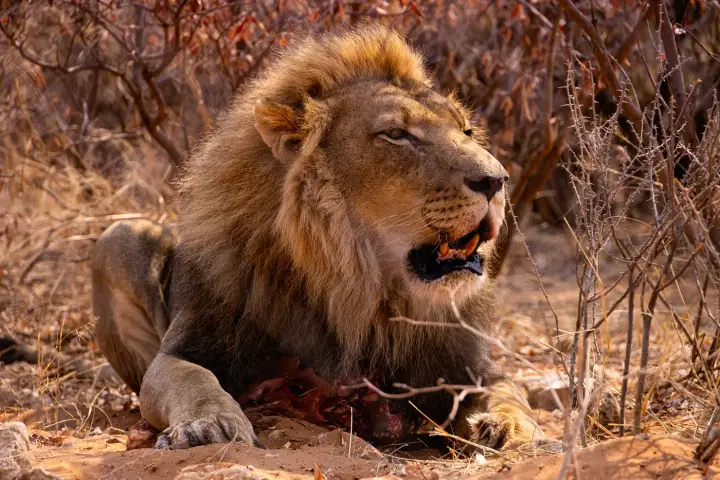
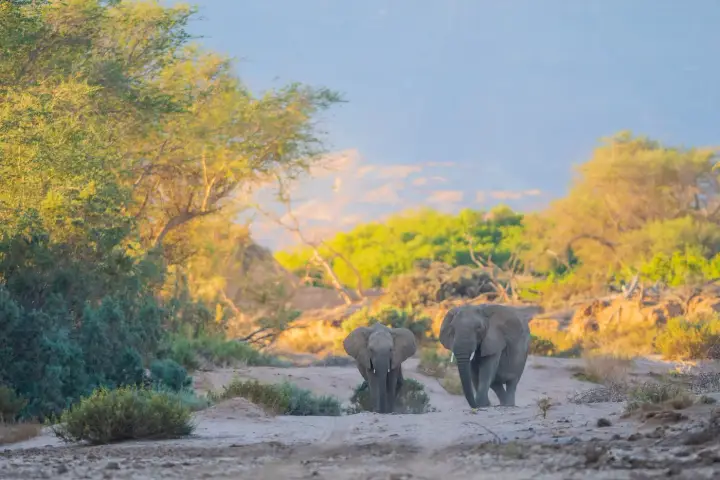
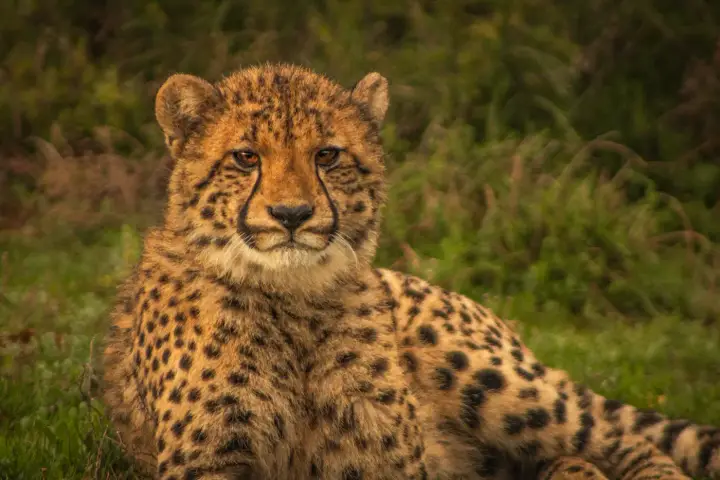
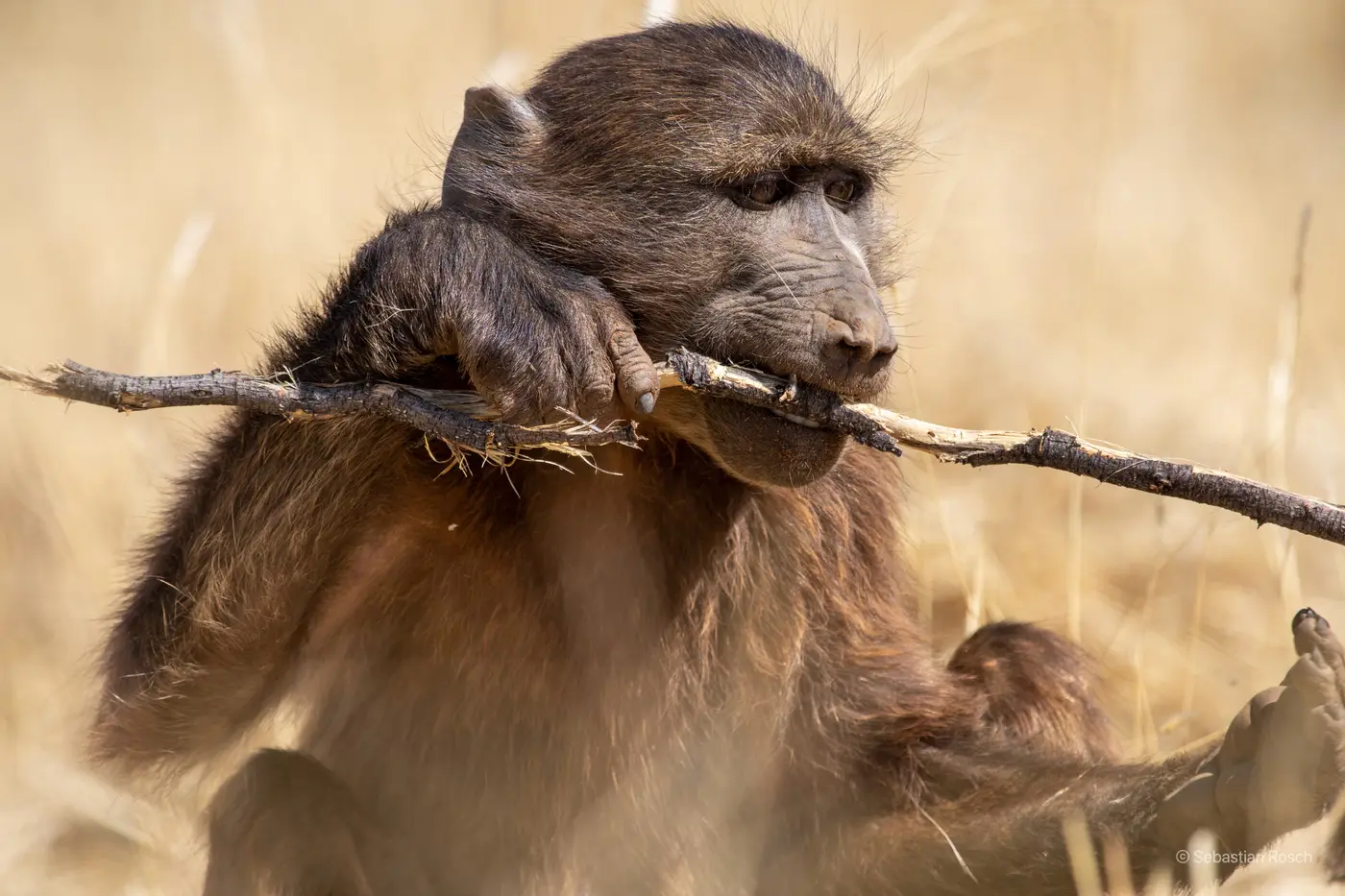
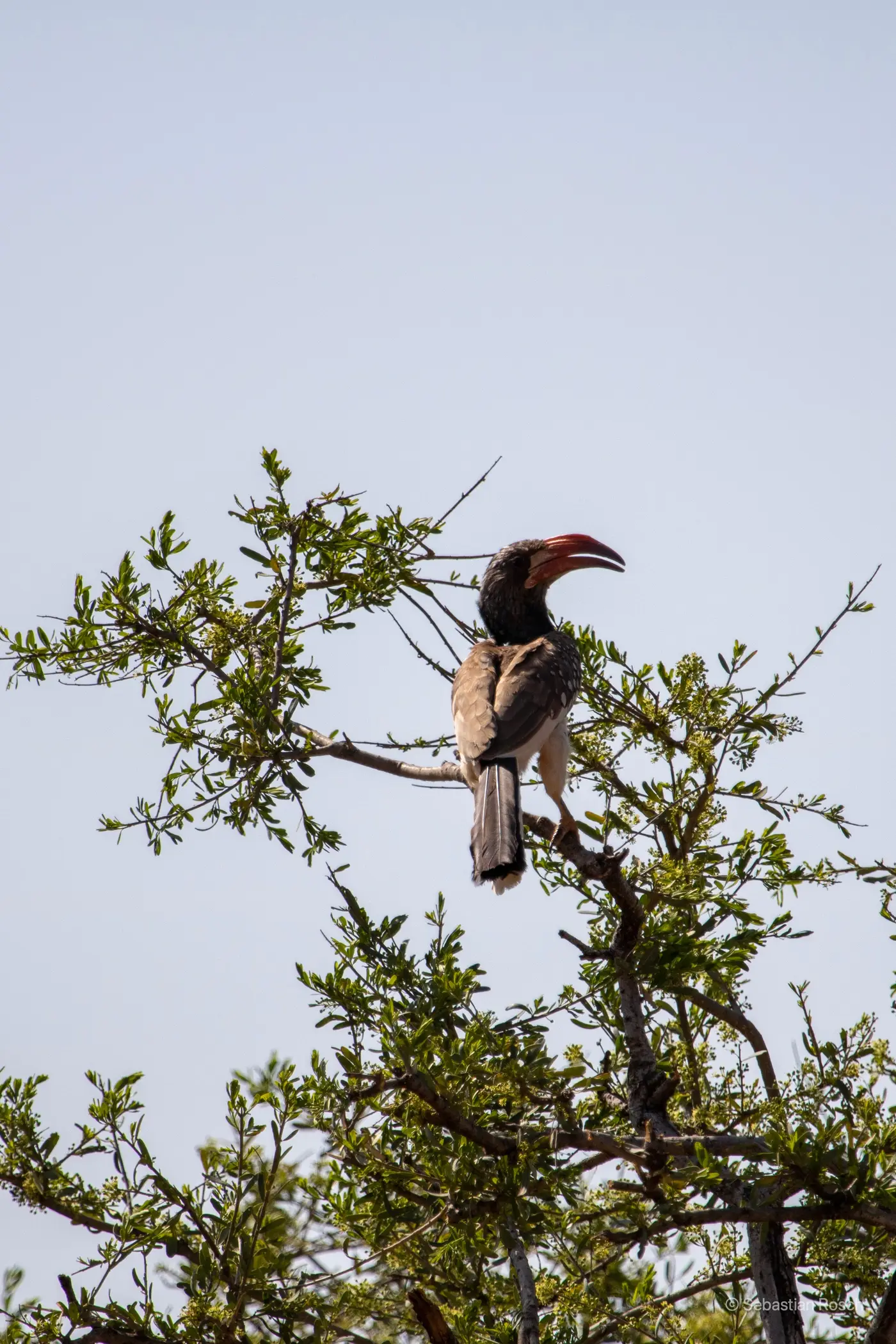
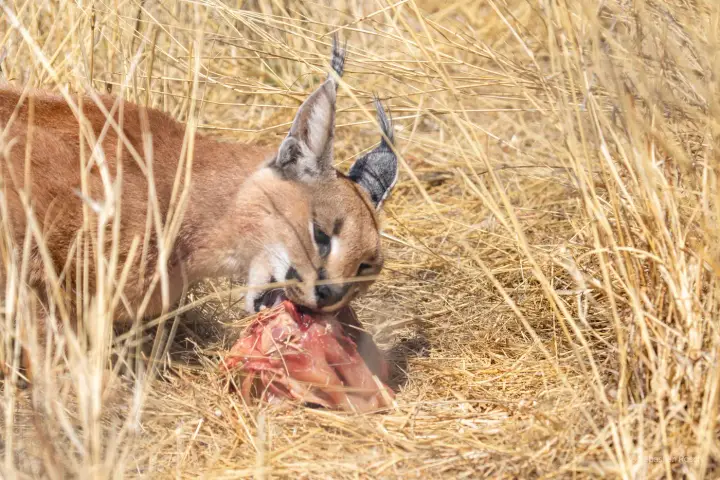
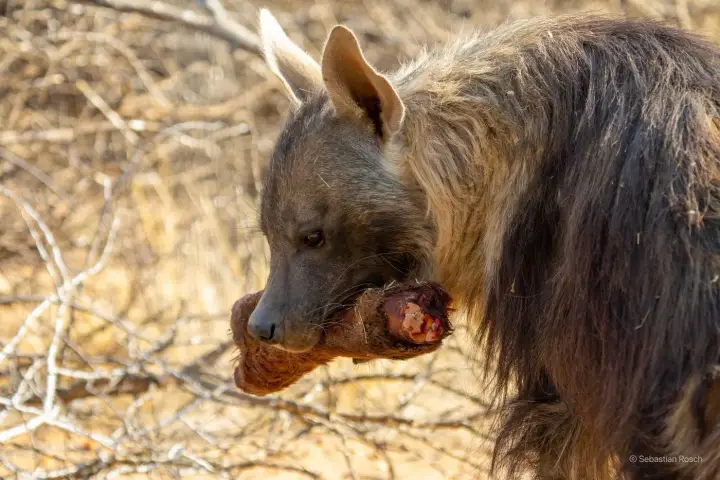
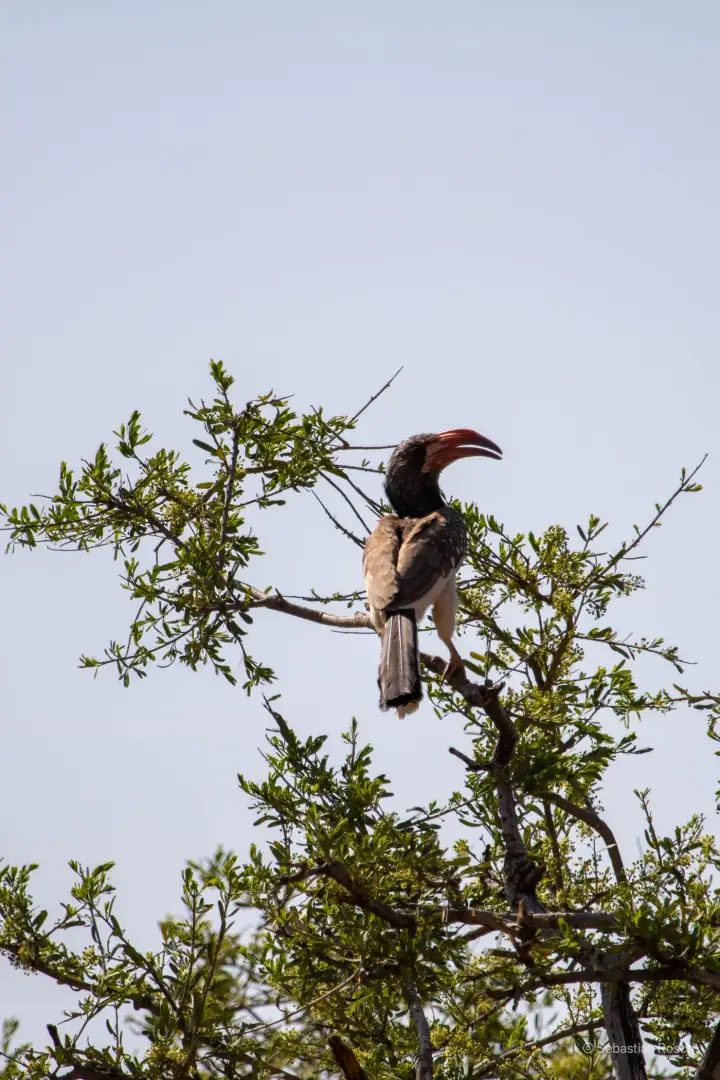
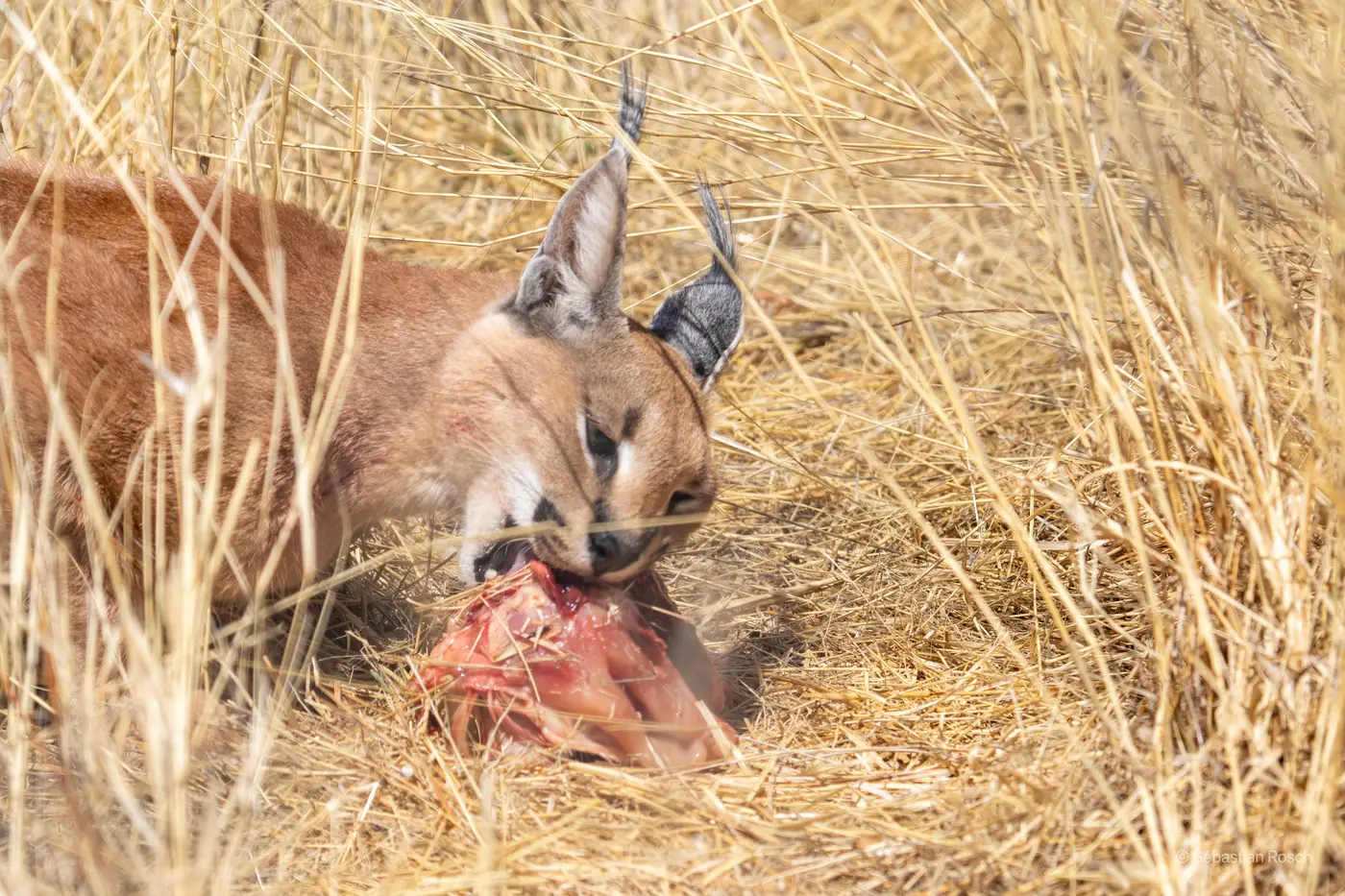
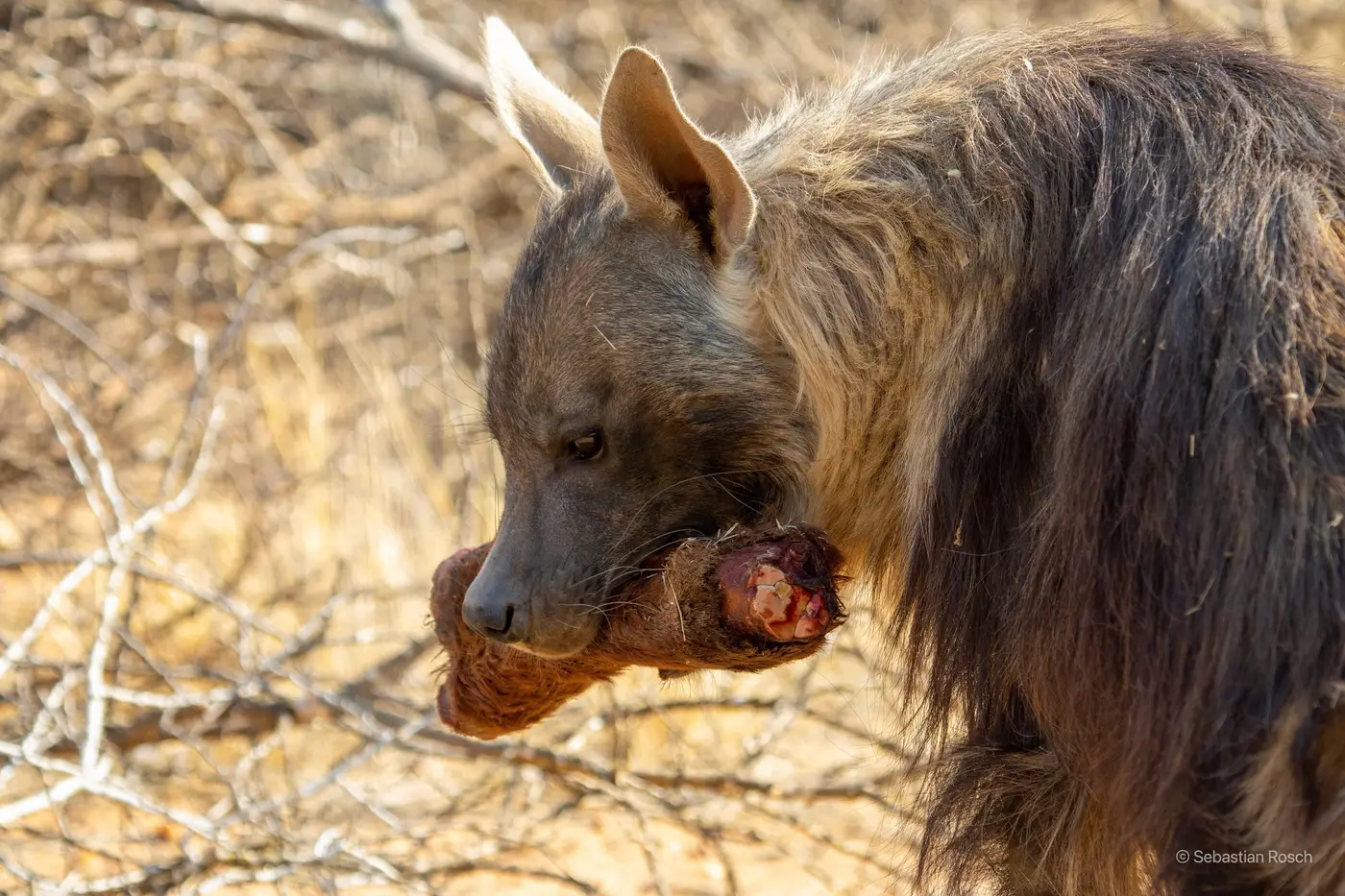
Volunteers may work with a wide variety of species, including lions, leopards, cheetahs, baboons, meerkats, antelope, birds, elephants, rhinos, and more. The focus is on real conservation, rehabilitation, and release wherever possible.
Volunteers can stay for a minimum of 2 weeks, with longer stays recommended to get the most out of the experience. Stays of up to 3 months are available. The program runs throughout the year, and volunteers can arrive on any day of the week.
Training and guidance are provided throughout your stay. Volunteers are placed in smaller groups to ensure a more personal experience and better support during daily activities. Experienced coordinators and field staff are on hand throughout the program, and a 24-hour emergency contact number is available at all times.
What you'll do
What Volunteers Do
Activities vary depending on the needs of the sanctuary and wildlife at any given time, but typically include:
- Preparing food and feeding animals
- Assisting with animal care and enrichment
- Joining predator tracking and spoor tracking activities
- Monitoring free-roaming elephants and rhinos
- Participating in game counts and camera trap research
- Assisting with reserve maintenance projects
- Supporting human-wildlife conflict mitigation
- Patrolling with field teams
- Learning about anti-poaching work and conservation challenges
- Experiencing K9 unit training and activities
- Observing wildlife rehabilitation and release work
- Visiting off-site conservation projects, including coastal clean-ups and wildlife monitoring
Volunteers on longer stays may also take part in additional projects and activities across the reserve.
Conservation Impact So Far
- 30,000+ km walked by anti-poaching teams protecting wildlife
- 10 poachers apprehended with support from anti-poaching units and K9 teams
- 1.7+ million camera trap images analysed
- 124 animals collared and released for monitoring and research
- 208 animals released back into the wild
- 441 carnivore conflict cases addressed
- 76 camera traps installed across 19 farms
- 22.5 tons of pollution collected through coastal conservation projects
- 100,400 hectares of land protected
Our Conservation Approach
This program follows an ethical conservation approach focused on responsible wildlife care, research, rehabilitation, and release wherever possible. Volunteers contribute to real conservation work while supporting long-term solutions for wildlife protection, habitat preservation, and human-wildlife conflict mitigation.
Why Choose This Program
- Work with a wide range of African wildlife species
- Take part in real anti-poaching, research, and tracking activities
- Experience Namibia's bush, desert, and coastal environments
- Learn from experienced conservation staff and field teams
- Join small volunteer groups for more personal guidance
- Support an organisation making a measurable conservation impact
- Gain hands-on experience in wildlife care, rehabilitation, and monitoring
This program is ideal for volunteers who want more than just sightseeing — it offers the chance to be part of real conservation work, gain practical field experience, and explore Namibia's incredible wildlife and landscapes in a meaningful way.
Wildlife conservation work is unpredictable, and activities may change depending on weather, veterinary cases, animal needs, staffing, or sanctuary priorities. Flexibility is essential, but every day offers a unique and rewarding experience.
Your day
A Typical Day
Please note: when volunteers participate in rhino monitoring activities, they are typically given either the morning or afternoon off due to the long hours involved in the field.
No two days are the same, but most start early with breakfast, followed by morning feeds, food preparation, animal care, or field activities. Throughout the day, volunteers may track wildlife, assist with research, help with reserve maintenance, or take part in anti-poaching and monitoring work. Afternoons usually include a field activity before returning to camp for dinner and free time.
Free Time & Weekends
During free time or on weekends, volunteers may have the opportunity to enjoy:
- Horseback riding
- Visiting Windhoek
- Local tours and sightseeing
- Cultural visits
- Safari experiences
Where you'll stay
Accommodation & Daily Life
Volunteers stay in twin or triple-share tents, with same-gender sharing unless travelling as a couple. Linen and towels are provided, and most dietary requirements can be accommodated.
- Shared bathrooms
- Laundry service
- Swimming pool
- Gym area
- Wi-Fi access
- Small shop and bar for snacks and drinks
What's included
- Airport transfers to and from Windhoek
- Accommodation
- Breakfast, lunch, and dinner
- Tea and coffee
- Arrival orientation and induction
- Training and guidance throughout the program
- Support from experienced program coordinators
- One volunteer uniform set (T-shirt and trousers)
- Free Wi-Fi
- Laundry service
- Access to the pool and gym area
Uniforms must be worn during working hours. The first set is included in the program fee; additional items can be purchased if needed.
What's Not Included
- Flights
- Visas
- Travel insurance
- Drinks and snacks
- Souvenirs and merchandise
- Optional extra activities
- Sleeping bag
Before you go
Requirements
- Must be 18 years or older
- No prior experience required
- Willingness to work hard and be flexible
- Comfortable working outdoors in hot, dusty, and physically demanding conditions
- Able to walk, stand for long periods, and work on uneven terrain
- Suitable travel insurance is required
Prices
Per volunteer, in rand. Flights, visas and travel insurance are not included.
| Duration | Price |
|---|---|
| 2 Weeks | R24,500 |
| 3 Weeks | R36,500 |
| 4 Weeks | R48,500 |
| 5 Weeks | R61,000 |
| 6 Weeks | R73,000 |
| 7 Weeks | R82,500 |
| 8 Weeks | R90,000 |
| 9 Weeks | R98,000 |
| 10 Weeks | R107,500 |
| 11 Weeks | R116,000 |
| 12 Weeks | R124,500 |
Check availability
Tell us roughly when you'd like to go and Vivienne will confirm what's open. No payment and no application needed yet.
“I want participants to feel comfortable asking questions, understanding the costs involved and knowing what will happen at every stage of the process.”