- Where
- Namibia
- Minimum stay
- 2 weeks
- Starts
- Every Week (Monday)
- You'll sleep in
- Tents in the bush
Overview
Experience One of Namibia’s Most Unique Wildlife Volunteer Programs Volunteer at one of Namibia’s oldest and most established wildlife sanctuaries, founded in 1978. Located on a vast wildlife reserve, this program gives volunteers the opportunity to contribute to the care of orphaned, injured, and conflict animals while experiencing life in the heart of the Namibian bush.
This program offers a unique combination of wildlife conservation, community engagement, research, and cultural experiences, making it an ideal choice for volunteers looking for a meaningful and diverse experience.
- Volunteer at one of Namibia’s first wildlife sanctuaries
- Stay inside the sanctuary surrounded by wildlife
- Take part in hands-on animal care and feeding
- Experience carnivore feeding, night drives, and research activities
- Learn about conservation while contributing to animal welfare
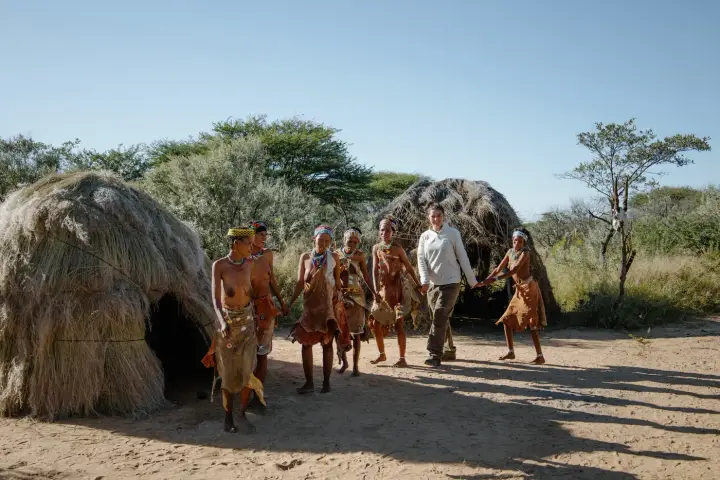
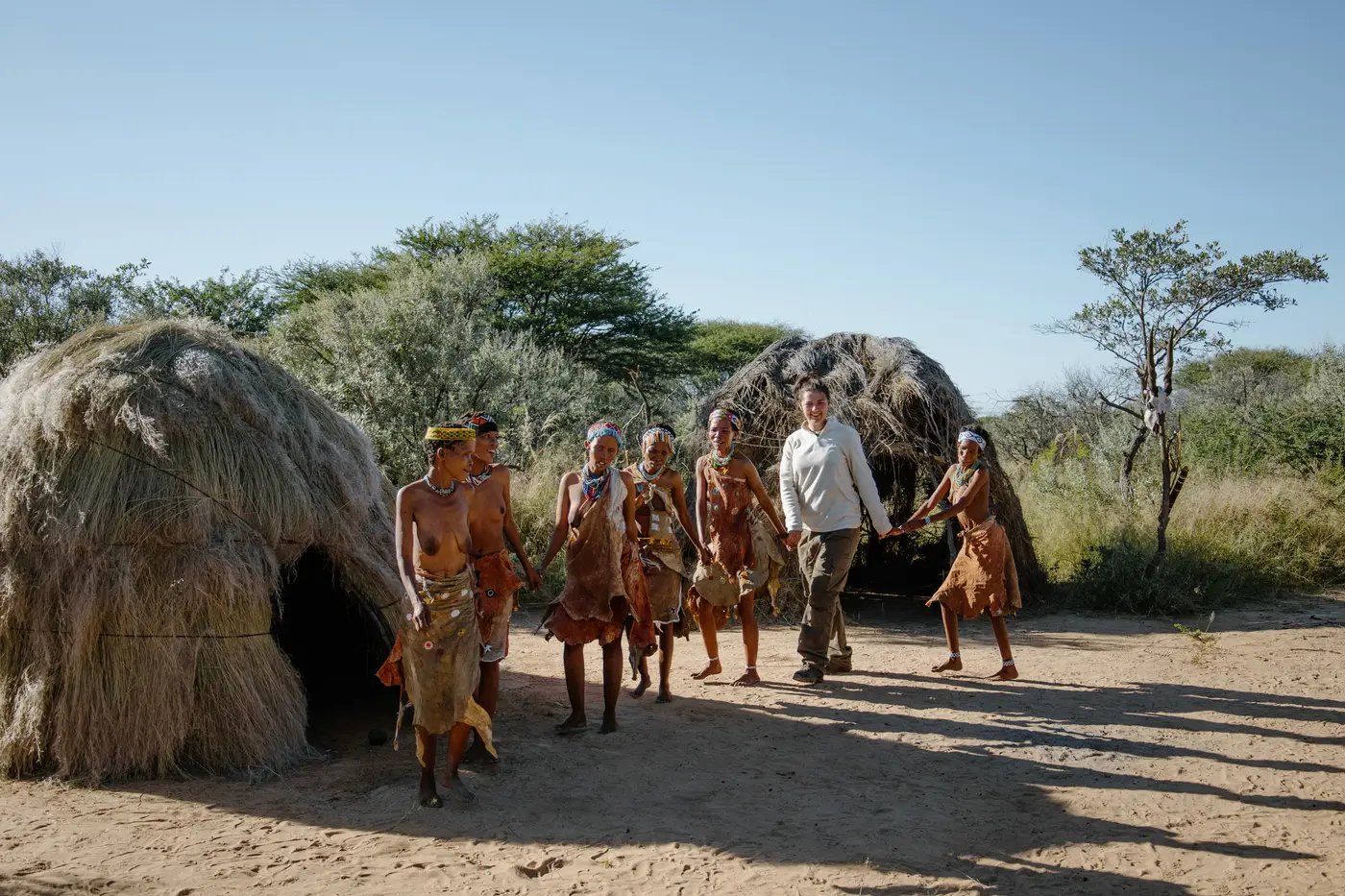
- Engage with local communities, including the San people as well as local school children
- Enjoy a wide variety of activities, meaning no two days are the same
- Feed wildlife under supervision, while maintaining a strict no-touch policy for the animals
- Program duration: 2 to 12 weeks
- Minimum stay: 2 weeks
- Maximum stay: 12 weeks
- Minimum age requirement: 18 years old
- Volunteers should have a willingness to get involved, team spirit, responsibility, and a genuine passion for wildlife and conservation
- This is not a “party holiday” and volunteers should be prepared to assist whenever needed, including occasional evening duties
What you'll do
Animal Food Preparation and Feeding
Volunteers help prepare nutritious meals for the sanctuary animals, including portioning meat and vegetables and feeding smaller animals such as mongooses, cats, dogs, and crocodiles. Crocodile feeding happens once a week. Volunteers usually feed : Meerkats Mongooses, Bat Eared foxes, Hedgehogs, cats & dogs
Upon arrival, volunteers receive training in food preparation to become familiar with the different feeding requirements of the animals.
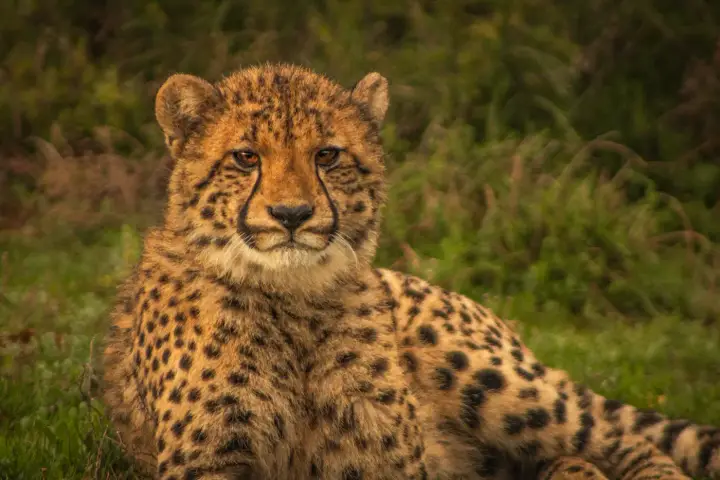
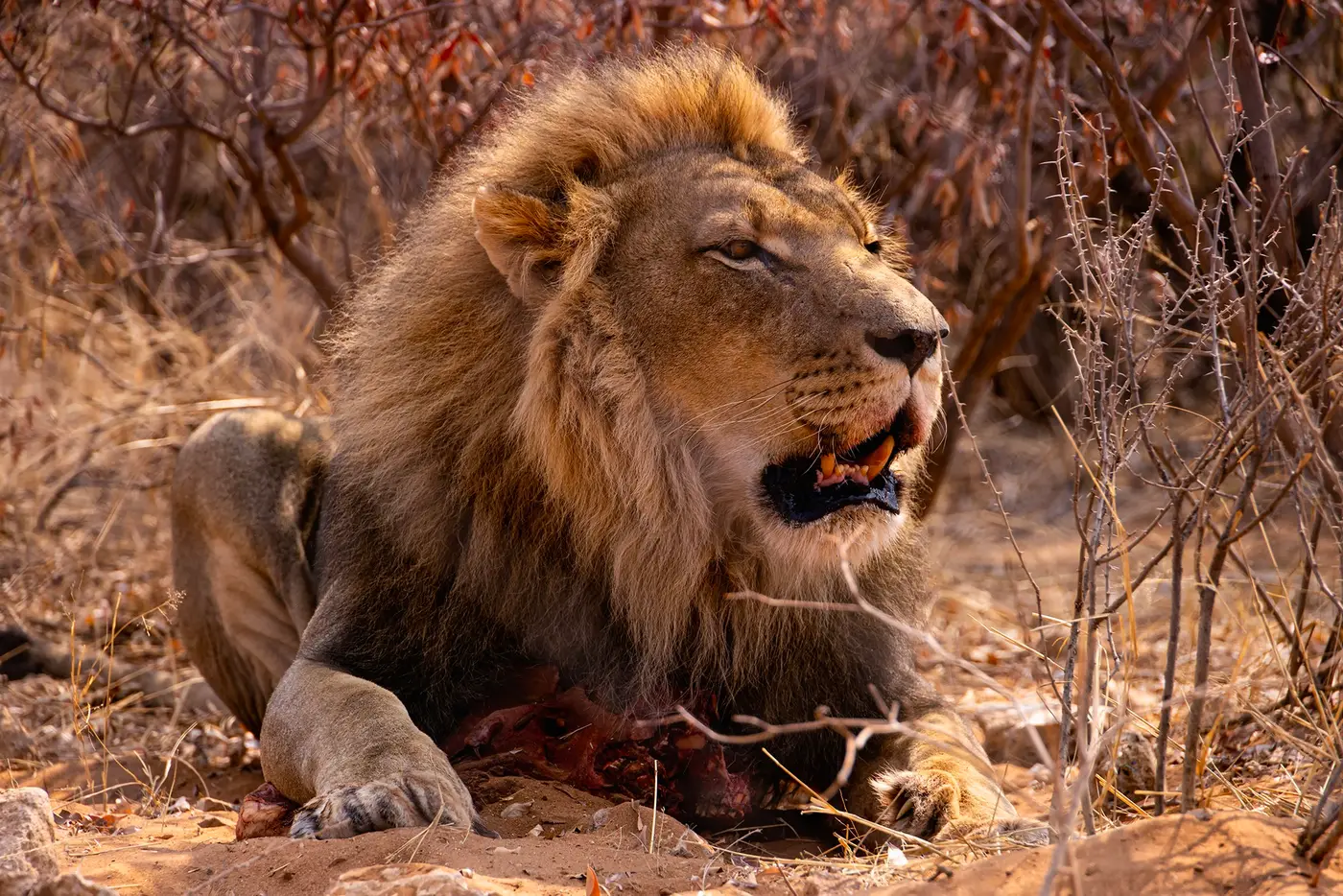
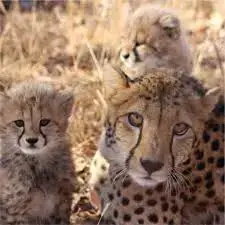
A program highlight is assisting with the feeding of larger predators, including lions, leopards, cheetahs, African wild dogs, and caracals under experienced supervision.
Small Animal Care
Volunteers help care for smaller animals at the sanctuary, supporting their health and wellbeing.
Sanctuary Maintenance and Project Work
Project work is an important part of keeping the sanctuary running smoothly. Volunteers may assist with:
- Cleaning animal enclosures
- Repairing fences and roads
- Building enrichment for captive animals
- Maintaining waterholes
- Clearing overgrown vegetation
- General reserve maintenance
Volunteers can take part in wildlife research activities such as:
- Game counts
- Camera trap monitoring
- Vegetation surveys
- Recording wildlife sightings
- Collecting and sorting data for conservation research
These activities help monitor predator and prey populations and contribute to the long-term management of the reserve.
Night Drives
Experience the Namibian bush after dark during guided night drives. Volunteers may have the opportunity to spot nocturnal species such as aardvarks, brown hyenas, porcupines, and genets.
Conservation Ranger Experience
An optional overnight activity allows volunteers to join rangers for both a night and morning foot patrol. Volunteers sleep in canvas tents in the bush and gain first-hand insight into the important work of wildlife rangers.
Spend time with Namibia’s San communities, one of the oldest cultures in the world. Learn about traditional tracking, fire making, finding water, and hear stories passed down through generations.
Volunteers may also spend time supporting children at the local school connected to the sanctuary. Volunteers can contribute to educational activities and spend time with the children.
The Lifeline Clinic supports lo cal families through medical care, education, and feeding programs. Volunteers may have the opportunity on Tuesdays to visit the clinic, engage with the community, and help serve meals.
Upon arrival, volunteers are welcomed by the coordinators and shown the accommodation and facilities at the volunteer village.
The following day includes:
- An introduction to the sanctuary’s history and background
- Important rules for working around the animals
- A guided tour of the farm area
- Training in food preparation and feeding procedures
- Instructions on cleaning enclosures and participating in daily tasks
New volunteers are not allowed to enter animal sections until they have completed the orientation and introduction process. A Typical Day
07:00 – Breakfast available until 08:15 08:15 – Morning meeting and briefing for the day’s activities Morning – Animal feeding, food preparation, farm work, animal walks, horse riding, project work, or conservation activities 13:00 – Lunch 15:15 – Afternoon meeting and activities 19:00 – Dinner, social time, and free time
Daily schedules may change depending on wildlife needs, weather, and operational requirements.
Why This Program Stands Out
This program offers far more than a traditional wildlife volunteering experience. In addition to hands-on conservation work and animal care, volunteers also gain meaningful humanitarian and cultural exposure through community projects, local school visits, clinic support, and time spent with Namibia’s San people.
For those looking for a diverse experience that combines wildlife, conservation, culture, and community impact, this program offers a truly rewarding opportunity.
Where you'll stay
Accommodation & Daily Life
Volunteers stay in a dedicated volunteer village located approximately 800 metres from the main farm buildings.
Accommodation consists of shared wooden cottages with up to three other volunteers of the same gender.
Please note:
- Couples may not always be guaranteed private accommodation
- Bed linen and towels are provided
- A limited number of mosquito nets are available
- Laundry is provided, except for underwear and socks
Volunteers can enjoy leisure time at the swimming pool, Saturday fun activities, and a traditional Namibian braai on Saturday evenings.
What's included
- Return transfers between Windhoek and the sanctuary only on Mondays
- Shared accommodation
- Bed linen and towels
- Breakfast, lunch, afternoon tea, and dinner
- Tea and coffee
- Welcome tour and induction presentation
- Volunteer training and supervision
- English-speaking coordinators
- Laundry service
- Wi-Fi
- Mandatory volunteer uniform: 1 volunteer T-shirt and 1 pair of zip-off trousers
- All volunteer activities at the sanctuary
What's Not Included
- International flights
- Travel insurance
- Vaccinations
- Visa costs if required
- Soft drinks, alcoholic drinks, and extra snacks
- Pocket money
- Accommodation before or after the program
- Extra uniform items
Before you go
Arrival Information
Your flight destination is Hosea Kutako International Airport (WDH) in Windhoek.
Transfers to and from the sanctuary only operate on Mondays.
- Rabies
- Tetanus
The sanctuary is considered malaria-free, so malaria medication is generally not considered necessary for the program itself. However, volunteers should still take normal mosquito precautions.
If volunteers plan to travel to northern Namibia or other regions before or after the program, they should discuss malaria prevention with their doctor.
Important Information
- Activities may change depending on weather, wildlife needs, and operational requirements
- Some activities are seasonal or may not be available year-round
- The Conservation Ranger Experience is optional and only available on Wednesday nights
- School visits may not take place during school holidays
- Public holidays may affect the running of the program
- Volunteers can help feed the wildlife but are not permitted to touch the animals
Prices
Per volunteer, in rand. Flights, visas and travel insurance are not included.
| Duration | Price (ZAR) |
|---|---|
| 2 Weeks | R24,500 |
| 3 Weeks | R36,500 |
| 4 Weeks | R48,500 |
| 5 Weeks | R61,000 |
| 6 Weeks | R73,000 |
| 7 Weeks | R82,500 |
| 8 Weeks | R90,000 |
| 9 Weeks | R98,000 |
| 10 Weeks | R107,500 |
| 11 Weeks | R116,000 |
| 12 Weeks | R124,500 |
Check availability
Tell us roughly when you'd like to go and Vivienne will confirm what's open. No payment and no application needed yet.
“I want participants to feel comfortable asking questions, understanding the costs involved and knowing what will happen at every stage of the process.”