
- Where
- Damaraland desert, Namibia
- Minimum stay
- 2 weeks
- Starts
- Every 2 weeks
- You'll sleep in
- Tents in the bush
Overview
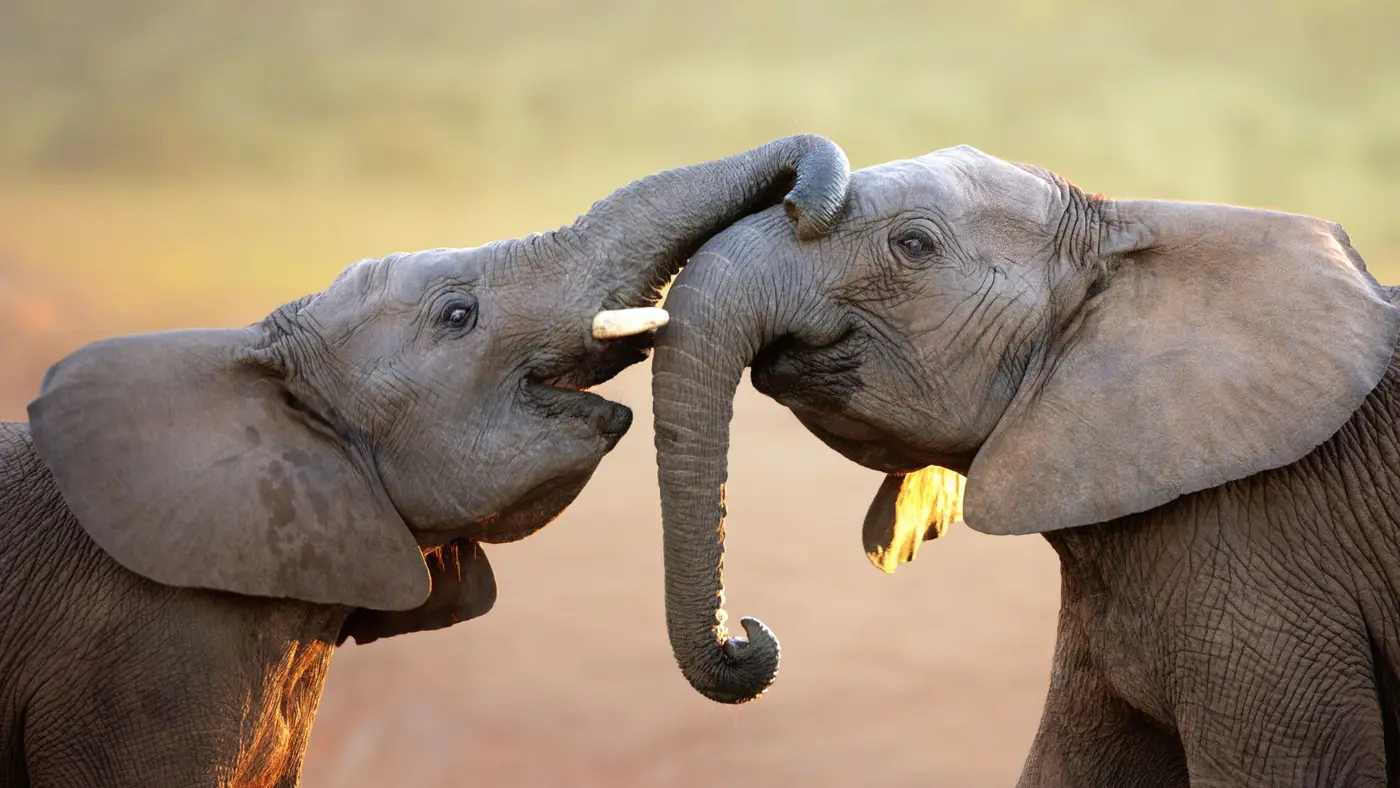
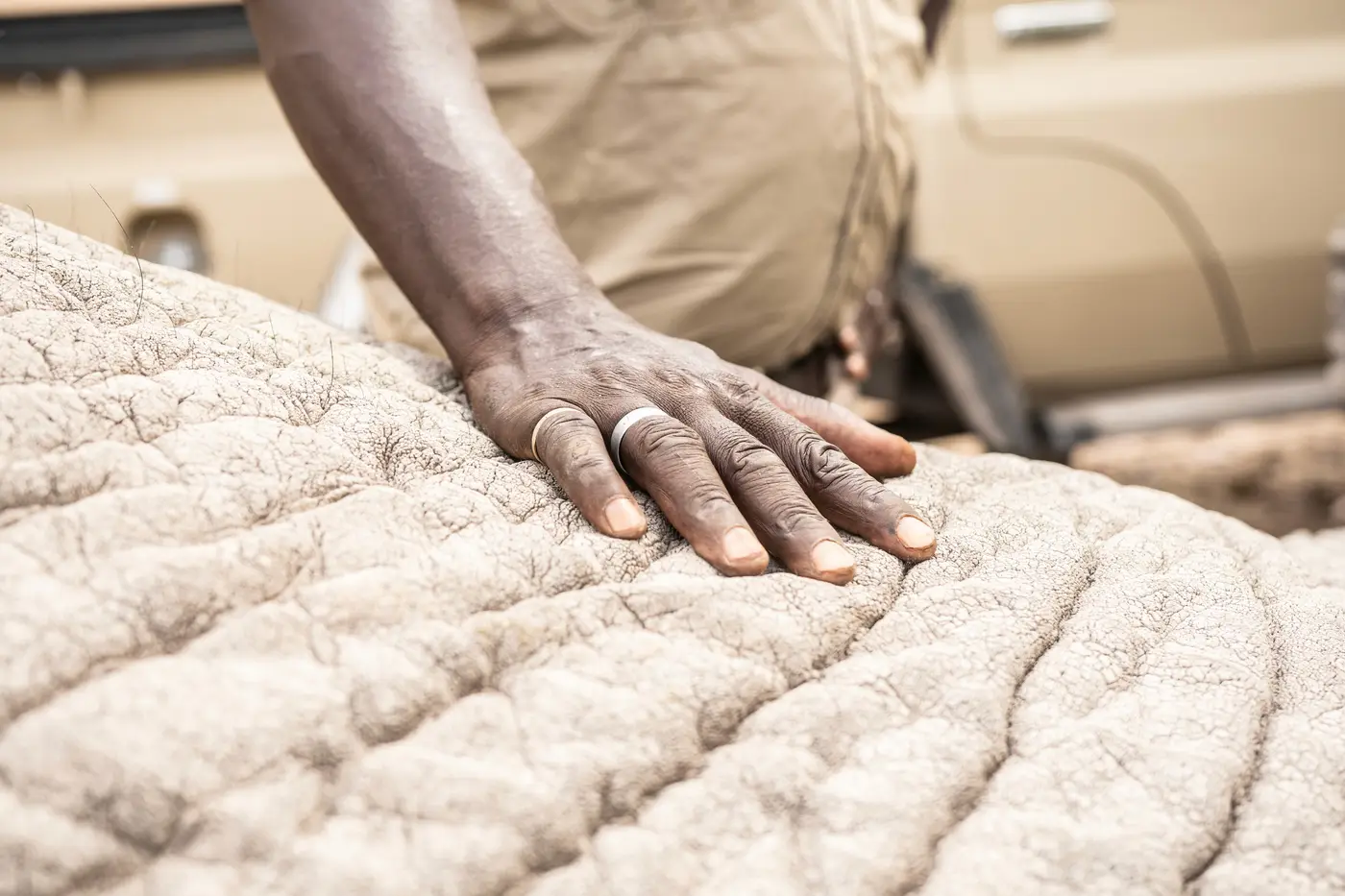
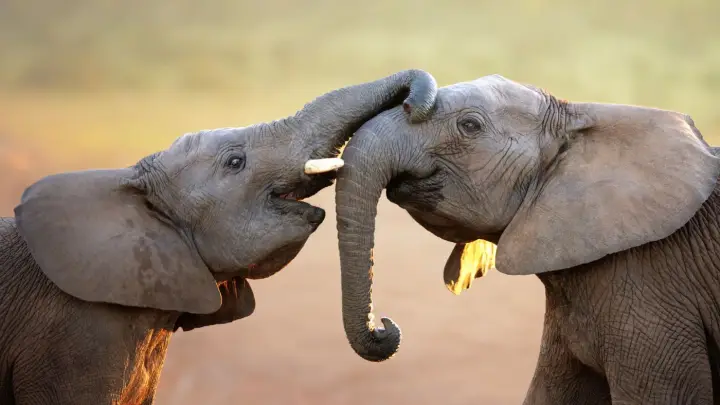
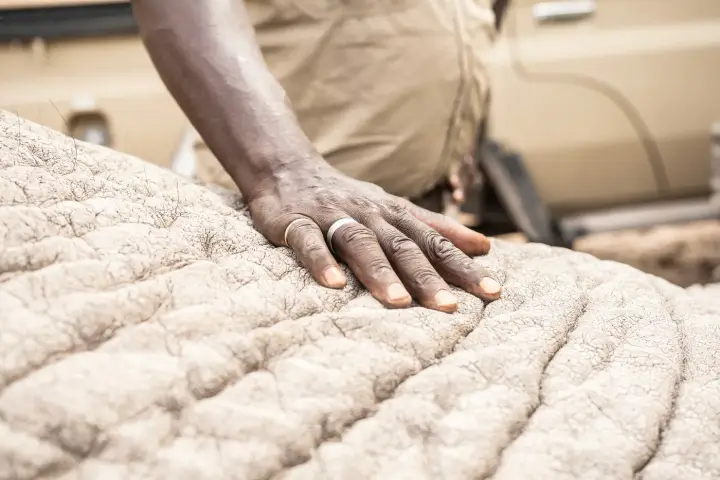
This volunteer program is based in the remote Damaraland and Southern Kunene region of north-western Namibia, one of the few places in the world where desert-adapted elephants still roam freely.
Unlike sanctuary-style elephant programs, this is a completely wild elephant conservation experience where volunteers never touch, feed, ride, or directly interact with elephants.
The project focuses on reducing human-elephant conflict, protecting water resources, supporting local communities, and monitoring wild elephant populations. Volunteers assist with research, tracking, field monitoring, and practical conservation work that supports long-term elephant conservation.
The program promotes the long-term conservation of Namibia’s desert-dwelling elephant populations through research, monitoring, and sharing scientific knowledge with local stakeholders, NGOs, and decision-makers.
What you'll do
Main Goals
- Protect Namibia’s rare desert-adapted elephant population
- Reduce conflict between elephants and local farming communities
Because elephants in the region often damage pipes, tanks, wells, and water systems while searching for water, the project works to protect water points and create alternative water access for both people and elephants.
Volunteer work is divided into two rotating sections:
1. Community & Building Week
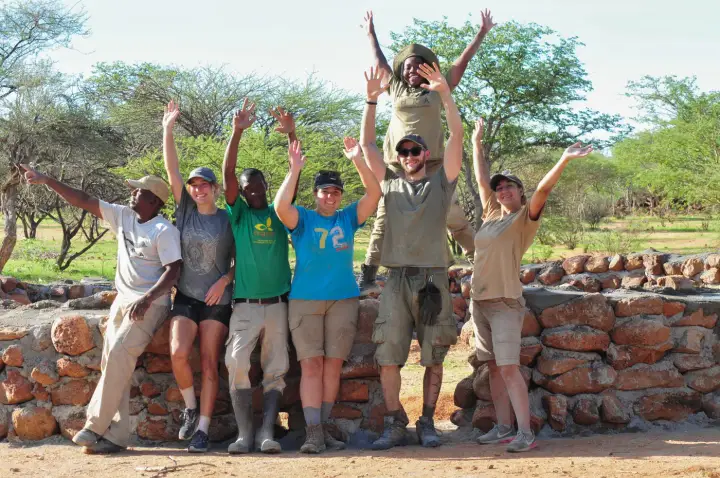
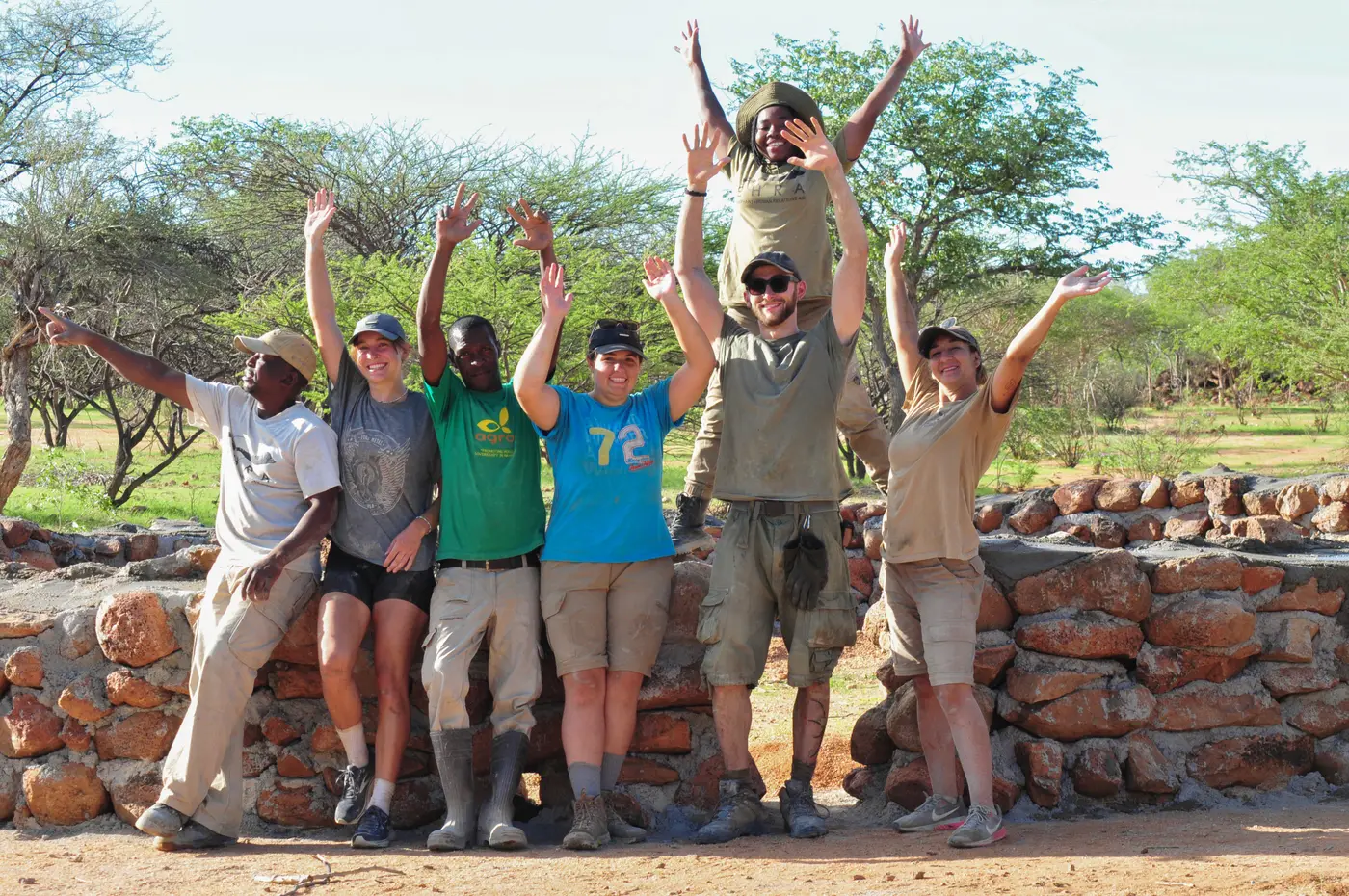
- Building protective stone walls around water points
- Repairing damaged water infrastructure
- Creating alternative water points for elephants away from villages
- Assisting with basic community projects
- Helping reduce conflict between farmers and elephants
- Learning about local livelihoods and desert living
This work is practical and physically demanding, especially in the desert heat.
2. Elephant Patrol & Monitoring Week
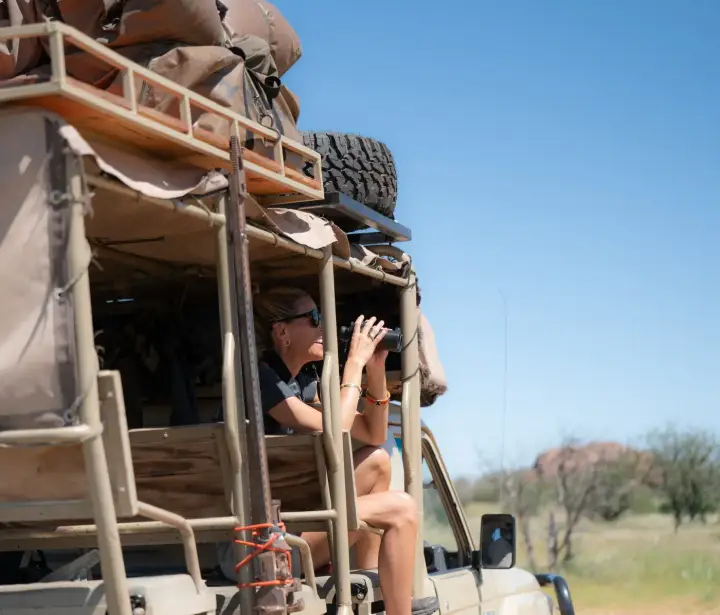
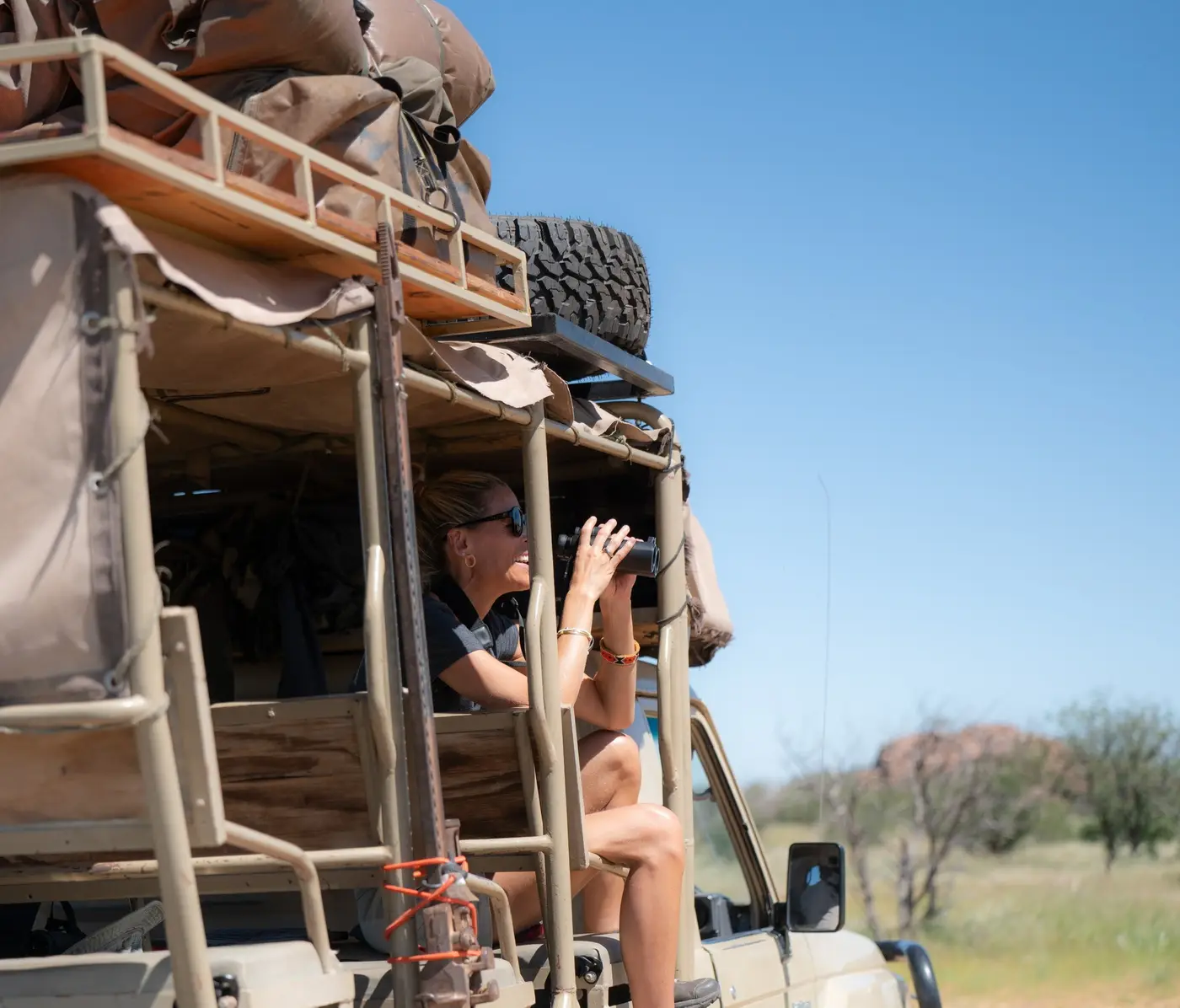
- Tracking desert elephants in the wild
- Identifying individual elephants and family groups
- Monitoring elephant movements and behaviour
- Recording GPS locations and field observations
- Looking for signs of recent elephant activity
- Monitoring other wildlife in the area
- Collecting data for long-term conservation planning
Patrol days can be long and involve travel through remote riverbeds and desert terrain.
What Volunteers Will Learn
- Human-elephant conflict and coexistence
- Desert elephant tracking and monitoring
- Field research techniques
- GPS data collection and wildlife observation
- Community-based conservation
- Water management in dry environments
- Local livelihoods and desert living
- Long-term conservation planning
What to Expect
This is a physically active program in hot, dry, remote conditions.
Volunteers should be prepared for:
- Long days outdoors
- Physical labour
- Tracking wildlife in desert terrain
- Basic wilderness living
Why Choose This Program
This is one of the most ethical elephant volunteer programs in Africa.
Focus Areas
- Human-elephant coexistence
- Research and monitoring
- Community support
- Habitat and water management
- Long-term conservation
Elephants remain completely wild, ensuring natural survival.
Ideal for volunteers seeking a genuine, hands-off conservation experience with real impact.
Your day
Typical Daily Schedule
There is no fixed schedule due to weather and elephant movement.
Example day:
- 06:00–06:30 – Wake up
- 07:00 – Breakfast & travel to site
- 08:00–12:00 – Building work or tracking
- 12:00–15:00 – Rest (heat of the day)
- Late afternoon – Continue fieldwork
- Evening – Dinner, discussions, relaxation
Patrol days may start earlier or finish later.
Where you'll stay
Accommodation Includes
- Open-air tree platforms
- Base camp setups
- Tents or mobile desert camps
- Bedrolls under the stars
Accommodation in Swakopmund (before/after) is at your own expense.
Facilities are basic:
- Limited Wi-Fi
- Shared bathrooms
- Camp-style living
What's included
- Accommodation (camping during project)
- Meals during the project
- Local transport
- Staff support and orientation
- Conservation activities and equipment
What's Not Included
- International flights
- Airport transfers
- Visa fees
- Travel insurance
- Spending money
- Weekend accommodation
- Sleeping bag (can be rented)
Before you go
Program Length
- Minimum: 2 weeks
- Maximum: 12 weeks
Available in 2-week increments: 2, 4, 6, 8, 10, or 12 weeks
Runs year-round (some pauses in December).
Arrival Information & Start Dates
- Arrival day: Sunday
- Program starts: Monday
Pick-up locations:
- Walvis Bay Airport
- Swakopmund
Typically 2 start dates per month.
Requirements
- Minimum age: 18
- Good physical fitness
- Comfortable in hot, dry conditions
- Basic English skills
- Willing to live simply
- Comfortable with camping and remote areas
No strict maximum age (fitness dependent).
Health Information
- Visa on arrival available for most countries
- Malaria-free project area (precautions needed elsewhere in Namibia)
- Recommended vaccinations: Tetanus
- Hepatitis A & B
- Polio
Prices
Per volunteer, in rand. Flights, visas and travel insurance are not included.
| Duration | Price (ZAR) |
|---|---|
| 2 Weeks | R19,000 |
| 4 Weeks | R36,000 |
| 6 Weeks | R50,000 |
| 8 Weeks | R61,500 |
| 10 Weeks | R72,500 |
| 12 Weeks | R83,000 |
Check availability
Tell us roughly when you'd like to go and Vivienne will confirm what's open. No payment and no application needed yet.
“I want participants to feel comfortable asking questions, understanding the costs involved and knowing what will happen at every stage of the process.”